Concrete Leveling vs Concrete Replacement
Leveling is usually cheaper and faster. Replacement is sometimes simply correct. Here is the honest version of the decision.
Is Concrete Leveling Cheaper Than Replacement?
Often, yes. Leveling can avoid demolition, haul-off, forming, and a new pour, which can make it materially less expensive than replacement when the existing slab is still a good candidate for lifting. Many polyurethane lifting projects can also be completed with far less downtime than replacement, though exact return-to-service timing depends on the lifting material, slab, load, and project conditions. But price only matters between options that both work, so the real question is which conditions each repair actually fits.
When Leveling Is the Right Call
- The slab is structurally sound: intact, or cracked into a few large pieces that can be raised and realigned
- The problem is position: settled, tilted, offset at joints, draining the wrong way
- The cause is below: settlement or washout that injection can fill and stabilize
- The surface, while maybe weathered, is not the thing you are paying to fix
- Downtime matters: driveways you need tomorrow, commercial floors that cannot close, decorative finishes that cannot be matched
When Replacement Is the Right Call
Some slabs are past lifting, and pretending otherwise wastes your money on a repair that raises bad concrete. Replacement wins when:
- The concrete is shattered into many small pieces that cannot be raised as units
- The surface is failing: deep scaling, spalling, or crumbling from age, bad finishing, or freeze-thaw damage
- The slab was built wrong: too thin, no control joints, poured on trash fill that needs full excavation
- Severe heaving, not settlement, has pushed sections up, since injection lifts slabs and cannot lower them
- You want a new surface anyway: a different finish, layout, or elevation as part of a remodel
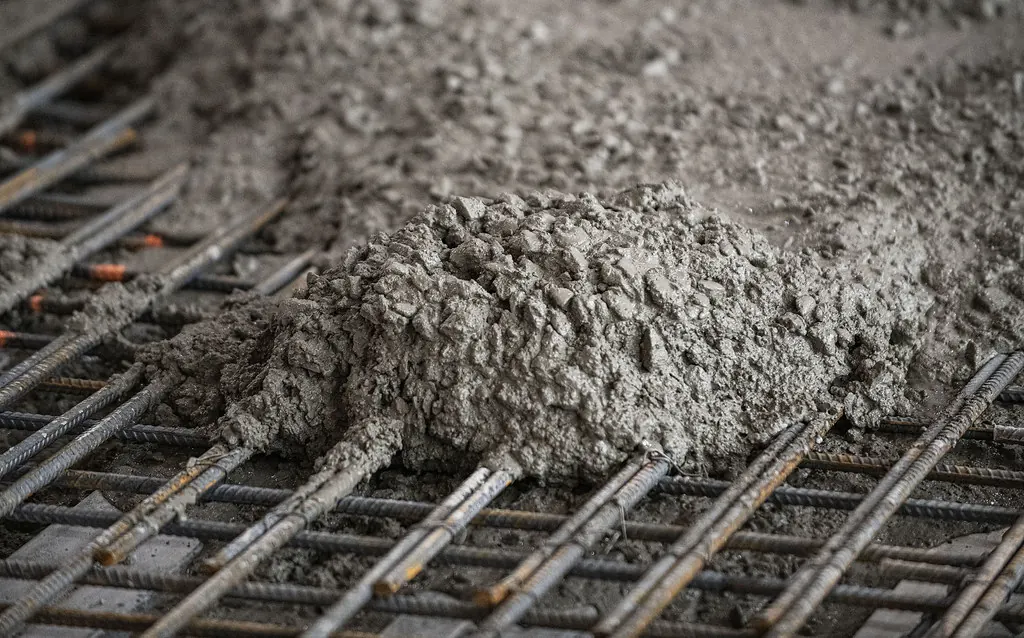
Replacement means a full rebuild: demolition, base prep, reinforcement, and a new pour.
The Side-by-Side Comparison
| Factor | Leveling | Replacement |
|---|---|---|
| Typical relative cost | Baseline | Generally higher once demolition, disposal, and a new pour are included |
| Time on site | Hours | Days |
| Usable again | Often rapid with polyurethane; slurry systems generally need longer | Requires curing before normal use; timing depends on the concrete mix and loading |
| Surface appearance | Existing surface, cracks still visible | New surface, but new concrete beside old rarely matches |
| Addresses the soil below | Yes, fills voids and stabilizes the base | Only if base rework is explicitly in the scope |
| Disruption and mess | Small drilled ports, no debris | Demolition, dust, haul-off, truck access |
| Decorative finishes | Preserved | Stamp and color matching is rarely successful |
That soil row is the one people miss. A slab that settled because of voids or loose fill will take a new slab down with it unless the base is re-engineered as part of the replacement. Ask any replacement bidder specifically what happens below the new pour.
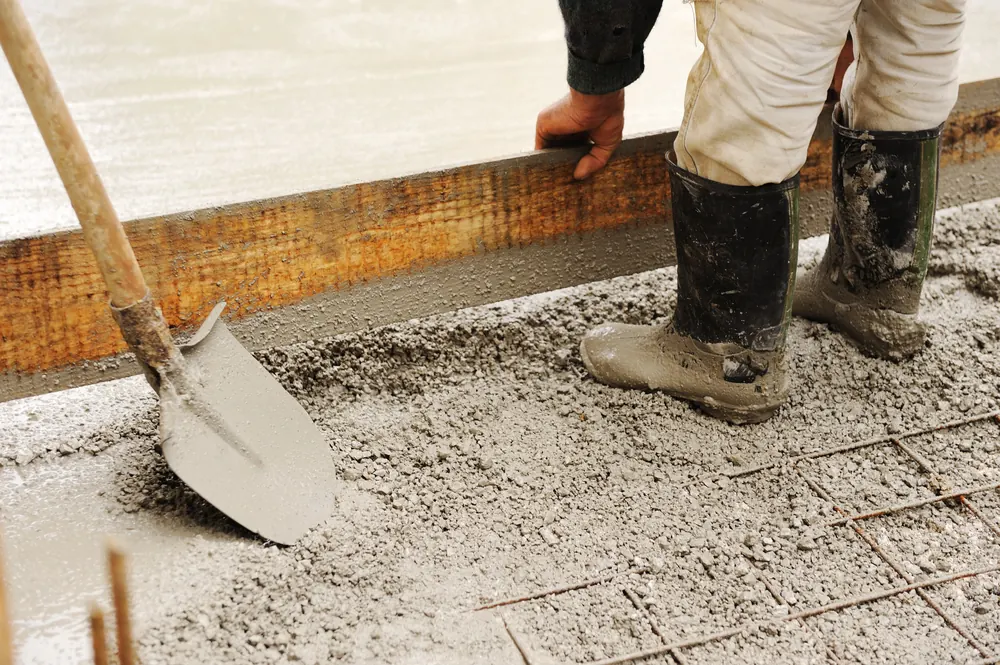
New pours need finishing and cure time before they carry traffic.
The Practical Test
Stand on the slab and ask two questions. Is the concrete itself still good, thick, mostly intact, surface holding up? And is the problem that it moved? Two yeses point to lifting. A no on the first question points to replacement. Genuinely unsure is what assessments are for, and an honest assessor will tell you when your slab is on the replacement side of the line, because lifting it would only buy you a level version of a failing surface. Costs for the leveling side are detailed on the cost page.
Not Sure Which Side of the Line Your Slab Is On?
Call (806) 513-5505 to discuss the slab, or request an assessment online. An assessment can indicate whether lifting is realistic or replacement is the better option.